

Benign prostatic hyperplasia (BPH), commonly known as an enlarged prostate, is a condition that affects many men as they age. Symptoms such as frequent urination, weak urine stream, difficulty emptying the bladder, and disrupted sleep can interfere with daily life and overall quality of life.
What Is Prostate Artery Embolization (PAE)?
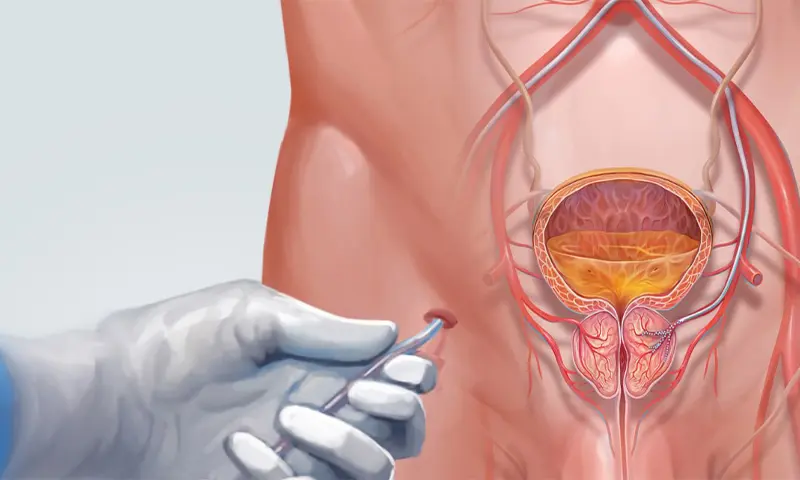
PAE is a non-surgical procedure performed by an interventional radiologist using advanced imaging guidance. Through a small access point—typically in the wrist or groin—a catheter is guided to the arteries that supply blood to the prostate.
Tiny particles are delivered to reduce blood flow to the enlarged prostate tissue. Over time, the prostate shrinks, relieving pressure on the urethra and improving urinary symptoms—without removing prostate tissue.
PAE May Be a Good Treatment Option for Men Who:
- Have moderate to severe BPH symptoms
- Want to avoid traditional prostate surgery
- Have not found relief with medications
Care Close to Home
Prostate Artery Embolization is offered at Vista Interventional Care Center (VICC) as an outpatient procedure performed by experienced, board-certified interventional radiologists. Patients can access advanced, minimally invasive prostate care close to home, without hospital admission or extended recovery time.
Frequently Asked Questions
What does Prostate Artery Embolization treat?
PAE treats urinary symptoms caused by benign prostatic hyperplasia (BPH) by reducing blood flow to the prostate so it can shrink over time.
Is Prostate Artery Embolization surgery?
No. PAE is a minimally invasive, non-surgical procedure performed through a small catheter using imaging guidance.
Is PAE an outpatient procedure?
Yes. PAE is typically performed on an outpatient basis, and most patients return home the same day.
How long is recovery after PAE?
Most patients resume normal activities within a few days. Urinary symptoms often improve gradually over several weeks to months.
Who is a good candidate for PAE?
Men with moderate to severe BPH symptoms who want to avoid surgery or have not responded to medication may be candidates.